0
0
%Initializing Portfolio
Hey,I’mTalha.Ibuildsoftware,breakthings(onpurpose),andturncomplexideasintoreal,scalablesystems—fromfull-stackappstoagenticAIautomations.I’vespentthepastyearsdoingwhatIlove:learningfast,buildingsmarter,andteamingupwithpeoplewhodreambigandshipevenbigger
Featured Selection*
A curated collection of technical insights and architectural deep-dives.
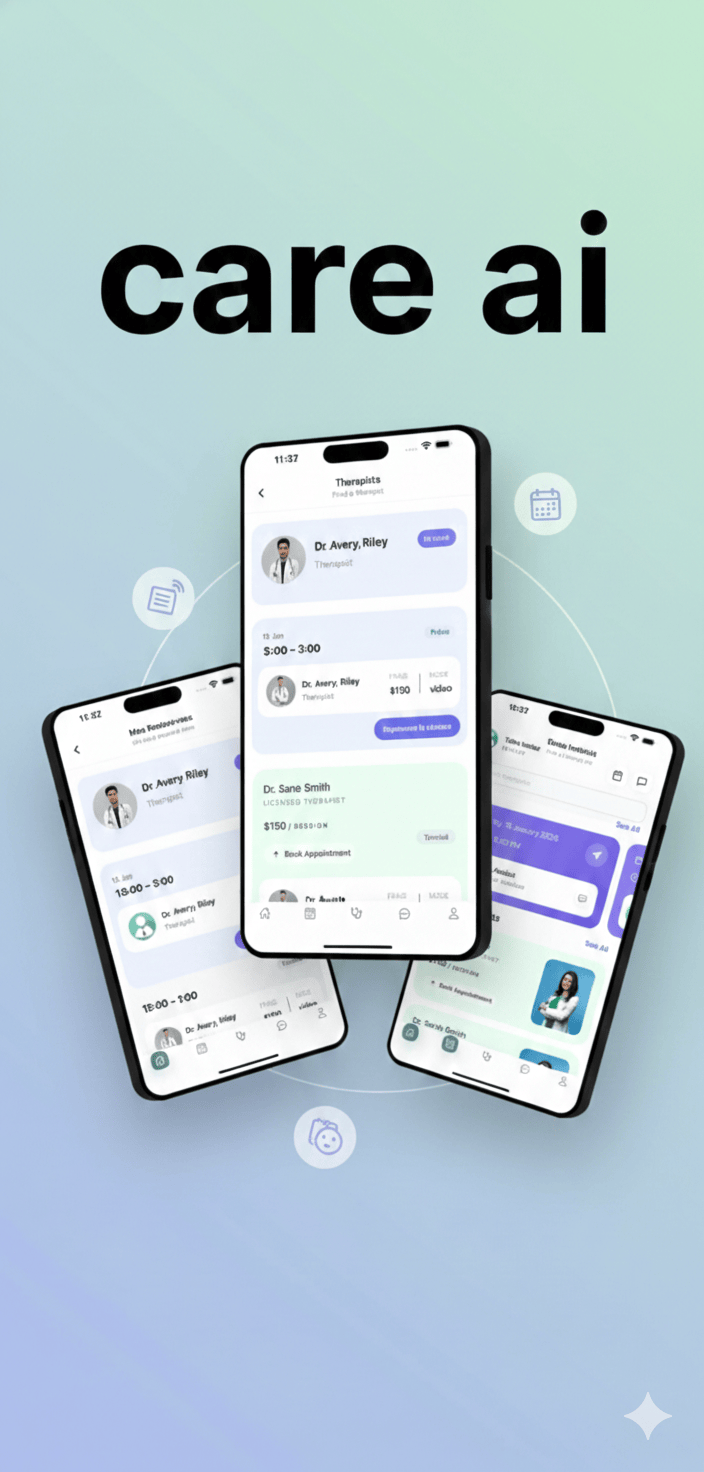
CareAi Case Study
CareAi is a therapy management app built with React Native, ReactJS, and Flask, designed to help therapists manage patients efficiently. Beyond appointments and chat, it features real-time video consultations, AI-assisted session analysis, and a fully interactive EMDR tool. The biggest technical challenges were implementing real-time EMDR over sockets, multilingual speech-to-text via Agora, GDPR-compliant data handling, and overcoming iOS build issues with bitcode in AgoraRTC. After careful design and problem-solving, the app now supports secure, interactive therapy sessions, real-time AI support, and smooth app store deployment. The main lesson: building complex real-time health applications is as much about careful architecture and compliance as it is about coding clever features.
- —Real-time EMDR sync via sockets during live video sessions.
- —Multilingual STT & AI analysis under strict GDPR compliance.
- —iOS AgoraRTC & Expo build pipeline optimization.
- —Therapist-controlled interactive EMDR with instant patient updates.
- —Real-time transcription and automated AI session summaries.
- —Seamless deployment to both App Store and Play Store.
- —Unified platform for interactive therapy management.
- —Enhanced session efficiency and global accessibility.
- —Scalable foundation for digital mental health tools.
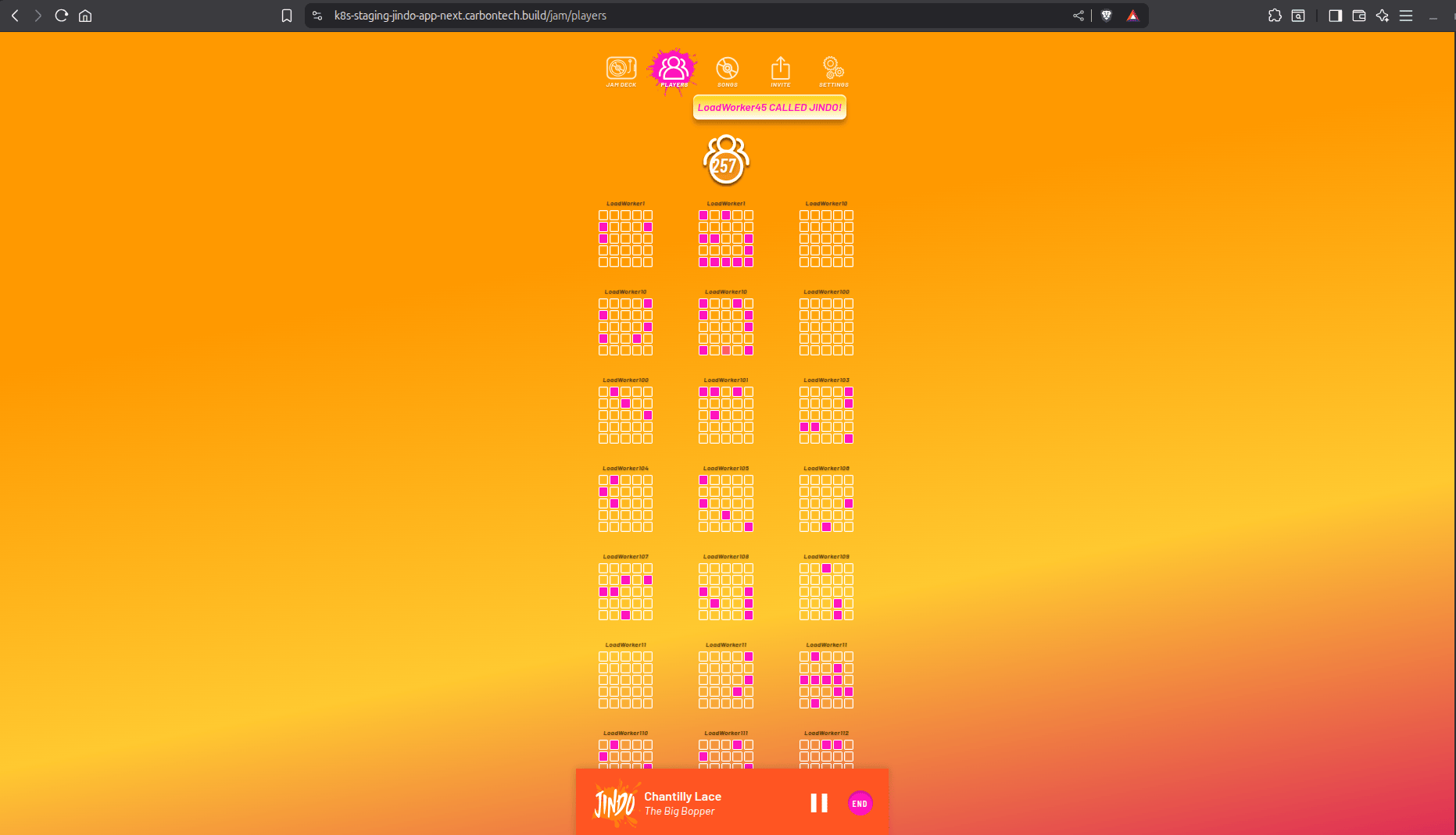
Scaling Jindo Via KEDA Metric Api in GKE
Jindo is a party game for DJs where players guess songs in a bingo-style format. Originally hosted on a single GCP VM, it could only handle 70–80 simultaneous players before crashing. I implemented intelligent auto-scaling on GKE, isolated backend services into separate pods, optimized pod scaling considering non-linear resource patterns, and finally optimized the Next.js CI/CD pipeline. The result? JIndo now comfortably supports 400+ players per session, with build times reduced by 66% from 6+ minutes to 2 minutes. The key lesson: scaling isn’t just about adding pods—understanding the system’s interaction patterns and optimizing infrastructure and CI/CD together delivers real performance improvements.
- —Real-time EMDR sync via sockets during live video sessions.
- —Multilingual STT & AI analysis under strict GDPR compliance.
- —iOS AgoraRTC & Expo build pipeline optimization.
- —Therapist-controlled interactive EMDR with instant patient updates.
- —Real-time transcription and automated AI session summaries.
- —Seamless deployment to both App Store and Play Store.
- —Unified platform for interactive therapy management.
- —Enhanced session efficiency and global accessibility.
- —Scalable foundation for digital mental health tools.
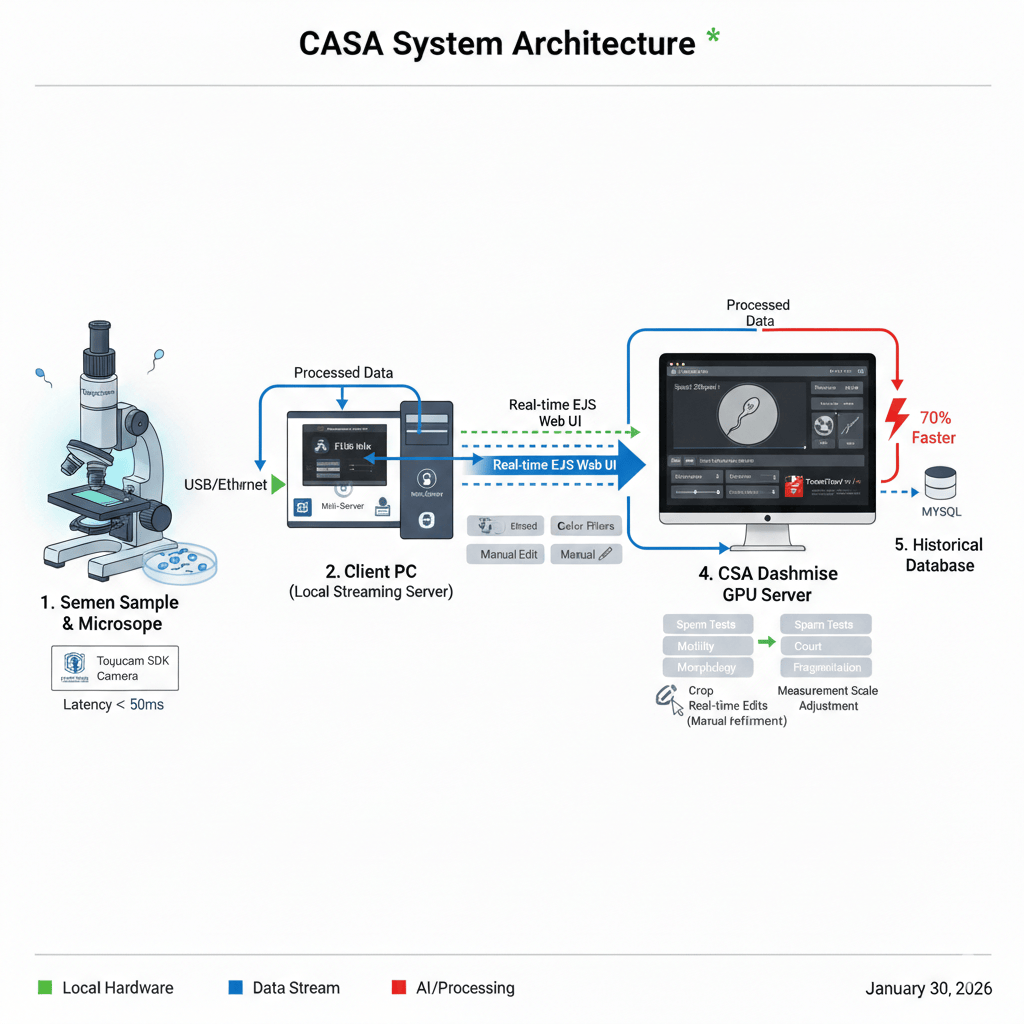
PrimeSperm Study
A lab client needed to centralize semen analysis across three locations and move from manual work to real-time, AI-powered testing on a GPU server. I built a web app that streams and controls a microscope live using the Toupcam SDK, runs multiple AI models for different tests, and lets lab staff fine-tune results interactively. The hardest parts were undocumented SDK behavior, real-time performance, and speeding up video-based motility analysis. By digging into SDK source code, using Flask SocketIO for real-time control, and optimizing GPU video processing with CUDA, frame skipping, and multithreading, I cut motility processing time from 17 seconds to as low as 3.95 seconds. The big lesson: when docs stop, the real work starts.
- —Real-time EMDR sync via sockets during live video sessions.
- —Multilingual STT & AI analysis under strict GDPR compliance.
- —iOS AgoraRTC & Expo build pipeline optimization.
- —Therapist-controlled interactive EMDR with instant patient updates.
- —Real-time transcription and automated AI session summaries.
- —Seamless deployment to both App Store and Play Store.
- —Unified platform for interactive therapy management.
- —Enhanced session efficiency and global accessibility.
- —Scalable foundation for digital mental health tools.
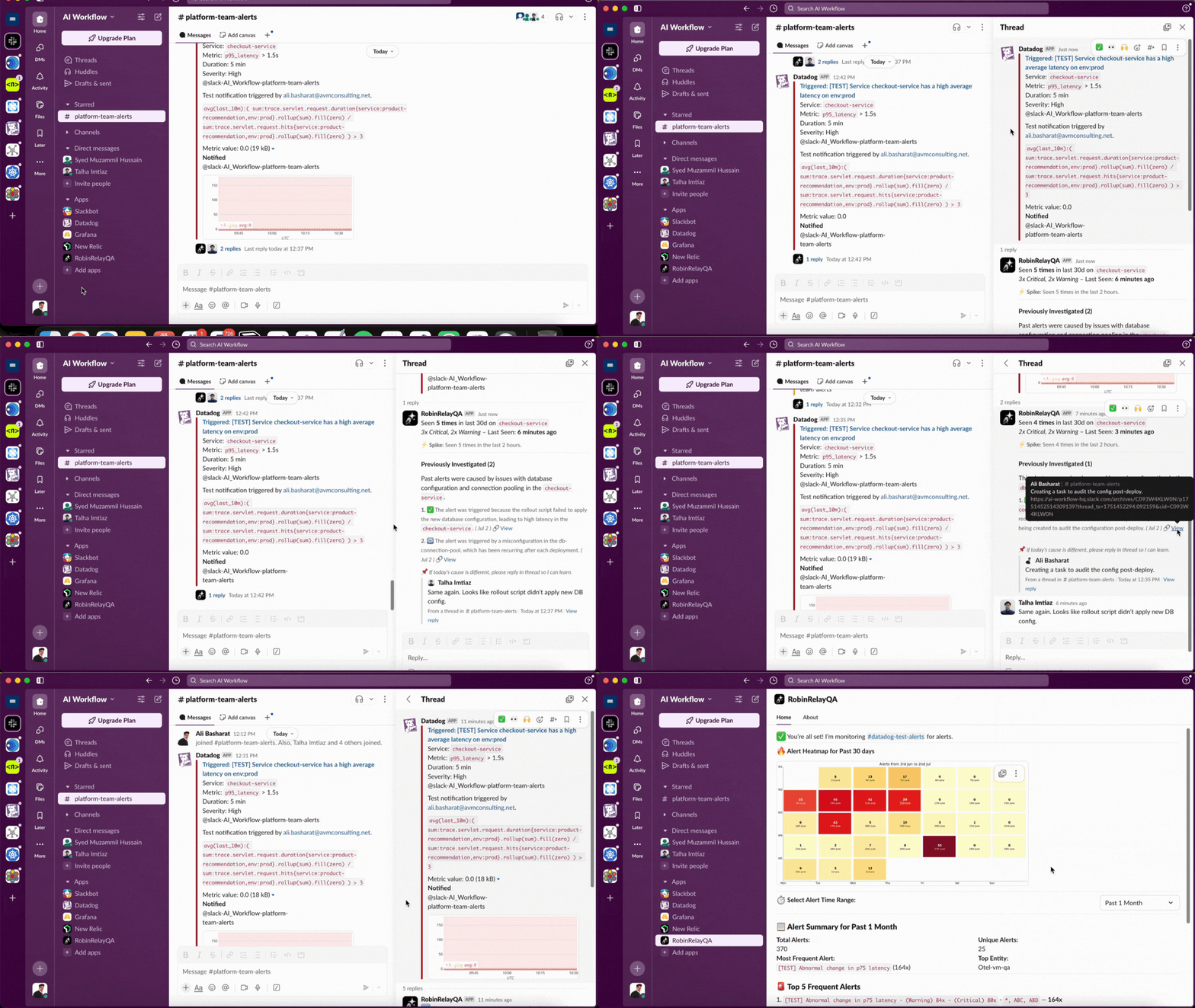
RobinRelay Case Study
RobinRelay started as a simple Slack alert bot and grew into a full on-call copilot. As a founding engineer, I helped turn it from scheduled messages into an interactive SRE agent that understands your entire Slack alert history. I built the first Slack home heatmap to visualize monthly alert patterns, then led the redesign of the RAG system after early Azure AI Assistant results were inconsistent. By introducing a purpose-driven RAG workflow and improving knowledge base retrieval, we pushed answer accuracy past 90% and made conversations feel natural and reliable. The biggest lesson was clear: real product value comes from owning the workflow end to end, not relying blindly on abstractions.
- —Real-time EMDR sync via sockets during live video sessions.
- —Multilingual STT & AI analysis under strict GDPR compliance.
- —iOS AgoraRTC & Expo build pipeline optimization.
- —Therapist-controlled interactive EMDR with instant patient updates.
- —Real-time transcription and automated AI session summaries.
- —Seamless deployment to both App Store and Play Store.
- —Unified platform for interactive therapy management.
- —Enhanced session efficiency and global accessibility.
- —Scalable foundation for digital mental health tools.
UiUx Work*
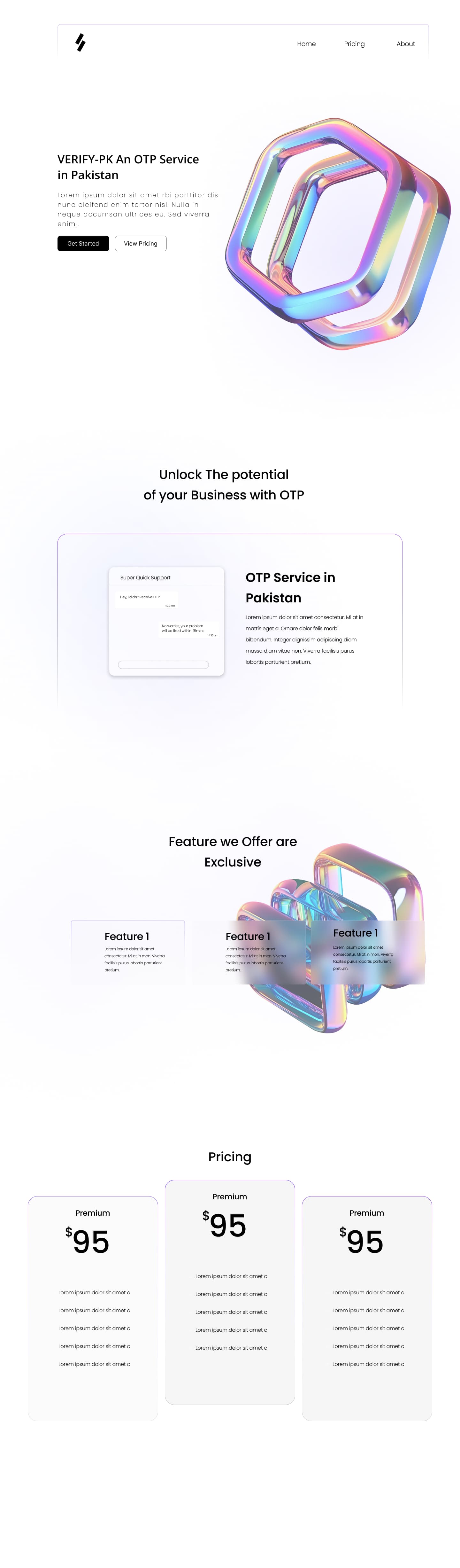
From wireframes to high-fidelity logic—explore the full design system and prototypes directly in the source.
Open Figma
Services*
Full-Stack Development
UI/UX Design Systems
DevOps & Cloud
Work
Experience*
A track record of building production systems, from on-prem devops to AI-driven automation.
DevOps Engineer
Software Engineer
Software Engineer
Academics*
A curated journey of formal education, peer-reviewed research, and technical certifications.
GIKI
Ghulam Ishaq Khan Institute of Engineering Sciences and Technology
(Top-tier in Pakistan)
Research & Global Accolades
A Novel Genetic Algorithm Based Timetable Generator
Optimizing complex academic scheduling through heuristic search and evolutionary computation.
fitness() {
  return 1/total_clashes;
}
Certifications

Blog *
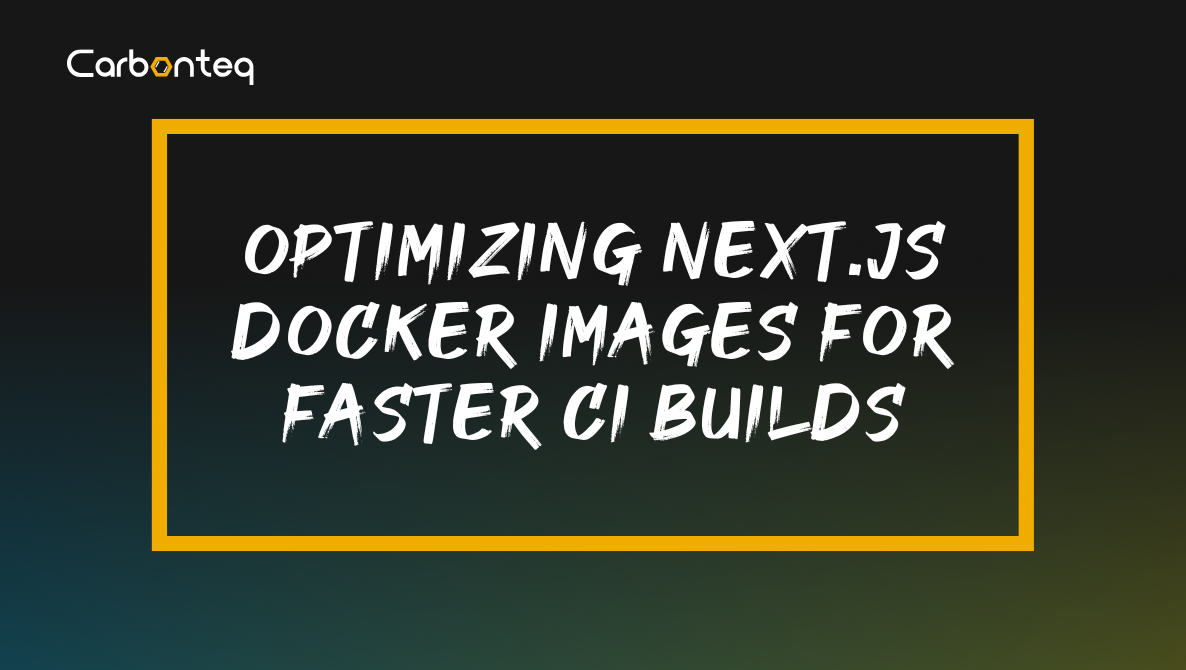
My latest tech insights and tutorials—click on the thumbnail to explore.
Let's Connect*
Ready to scale? Book a slot directly on my calendar or reach out through my socials.
Schedule a Discovery Call
Available for 30-min technical consultations